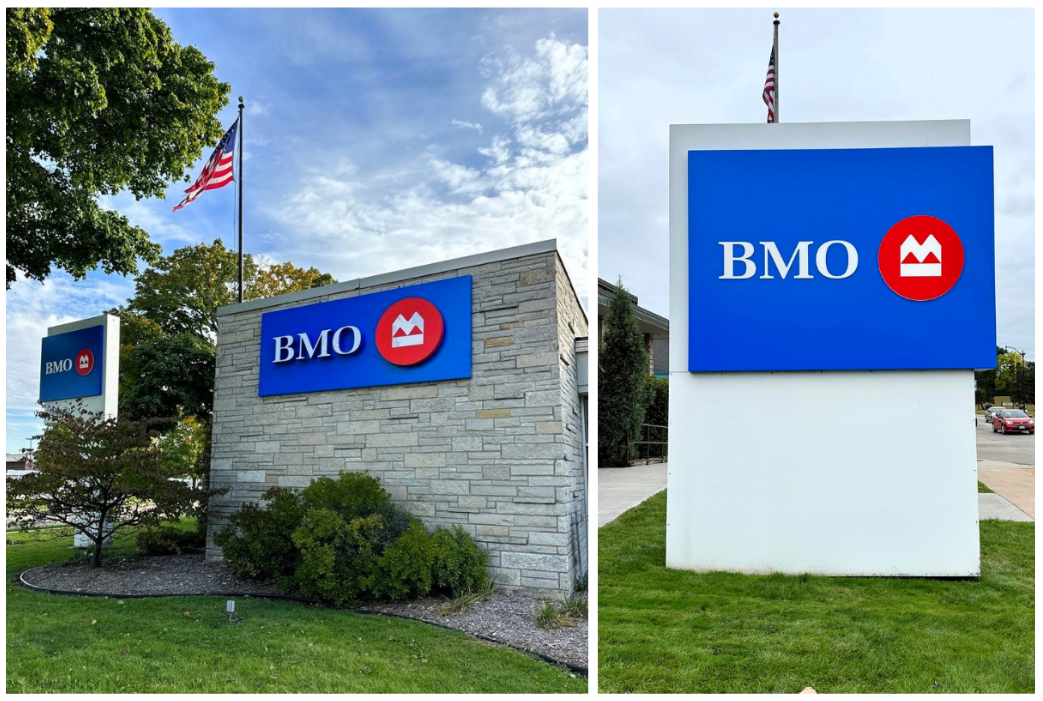

anaging signage across multiple locations involves much more than producing the same sign several times. Each location may have different building conditions, permit requirements, installation needs, and scheduling challenges. The most successful rollouts start with a clear plan that helps organizations maintain consistent branding, avoid preventable delays, and manage site-specific challenges without disrupting the entire project.
Before production begins, sign consulting can help determine which parts of the signage need to remain consistent across every location.
These standards may cover:
These standards give designers, project managers, fabricators, and installers clear direction throughout the project.
Organizations should also decide who will approve designs and changes, whether that is corporate marketing, a facilities team, regional managers, or individual locations. Establishing these responsibilities early helps prevent delays.
Even when signs follow the same brand standards, every location needs to be evaluated individually.
A site survey can identify building dimensions, wall construction, electrical conditions, existing signage, and other factors that may affect installation.
One location may support the preferred sign exactly as designed, while another may require a smaller version due to local regulations or a different mounting method. Identifying these differences before fabrication can prevent delays and last-minute changes.
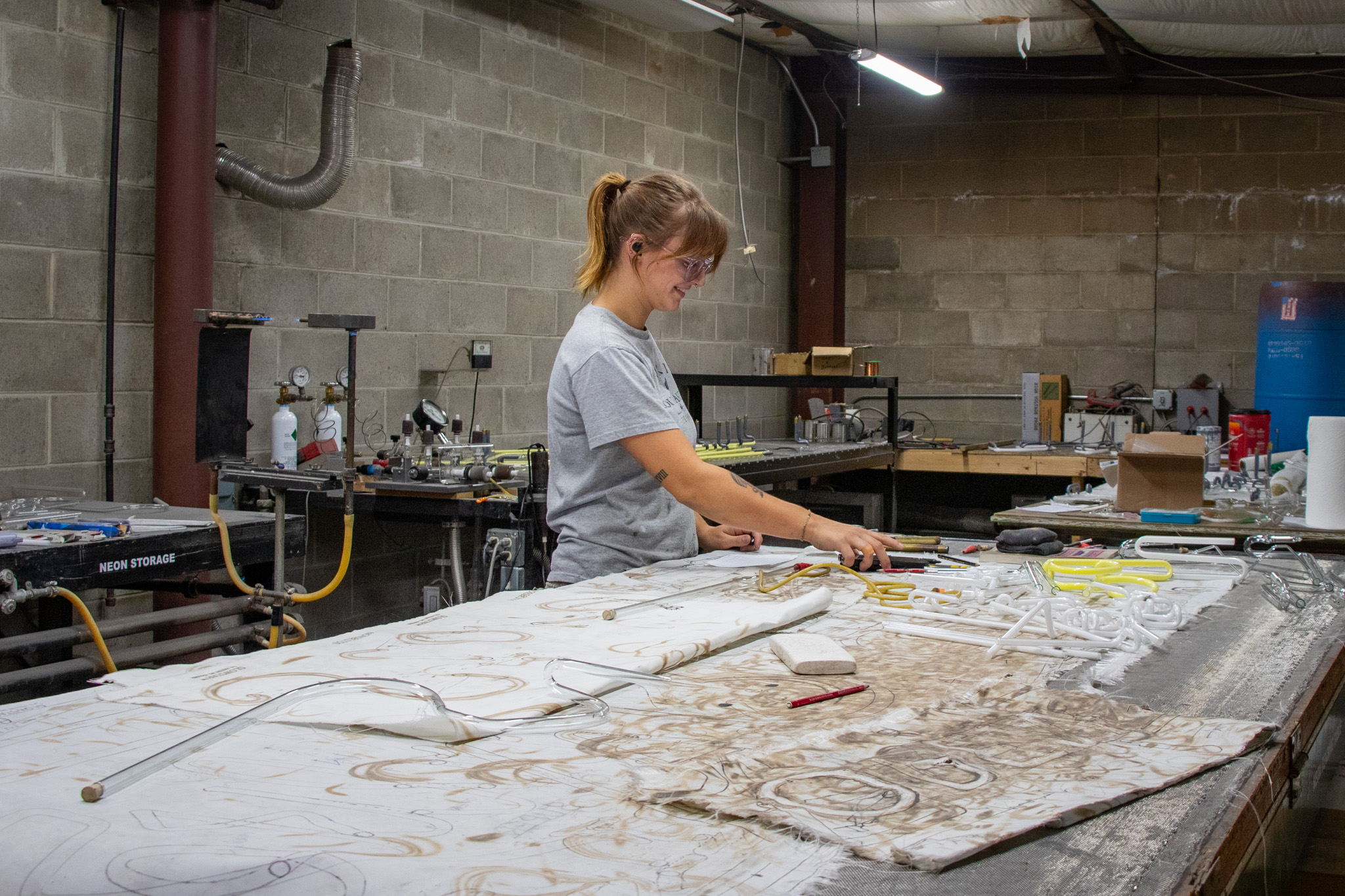
Permitting can be one of the biggest variables in a multi-location rollout because sign regulations differ by municipality. Requirements for size, height, illumination, setbacks, and placement may vary from one location to another.
A rollout tracker can help monitor each site:
Larger rollouts can also be completed in phases based on location readiness, permit approvals, or opening dates. This allows work to continue at ready locations while others are still being prepared.
Sign installation should also be planned early. Equipment, electrical work, site access, business hours, weather, and construction schedules can all affect the timeline.
Multi-location projects can involve corporate teams, property managers, contractors, municipalities, fabricators, installers, and employees at each location.
Choose one primary project contact, clearly assign approval responsibilities, and keep location information and project updates in one shared system. Centralized communication ensures that changes to mounting details or production specifications reach the entire team before more signs are fabricated.
For a larger rollout, completing one location first can help uncover potential issues before they are repeated across several sites.
A pilot installation gives the team an opportunity to review the sign’s appearance, illumination, mounting, installation process, and overall brand presentation. Any necessary changes can then be made before the remaining signs are produced.
Quality control should happen throughout the entire rollout, not just after the signs are installed.
This may include reviewing shop drawings, checking signage against brand standards, testing illumination, and collecting completion photos.
Using the same photo requirements at every location helps confirm that each sign was installed correctly. Accurate records also make future repairs, sign maintenance and service, and replacement work easier.
La Crosse Sign Group works with national brands, franchise groups, sign companies, and multi-location organizations on regional and multi-state sign programs.
By working with one experienced partner for permitting, project coordination, installation, and ongoing service, organizations can simplify communication and maintain a consistent look across every location.
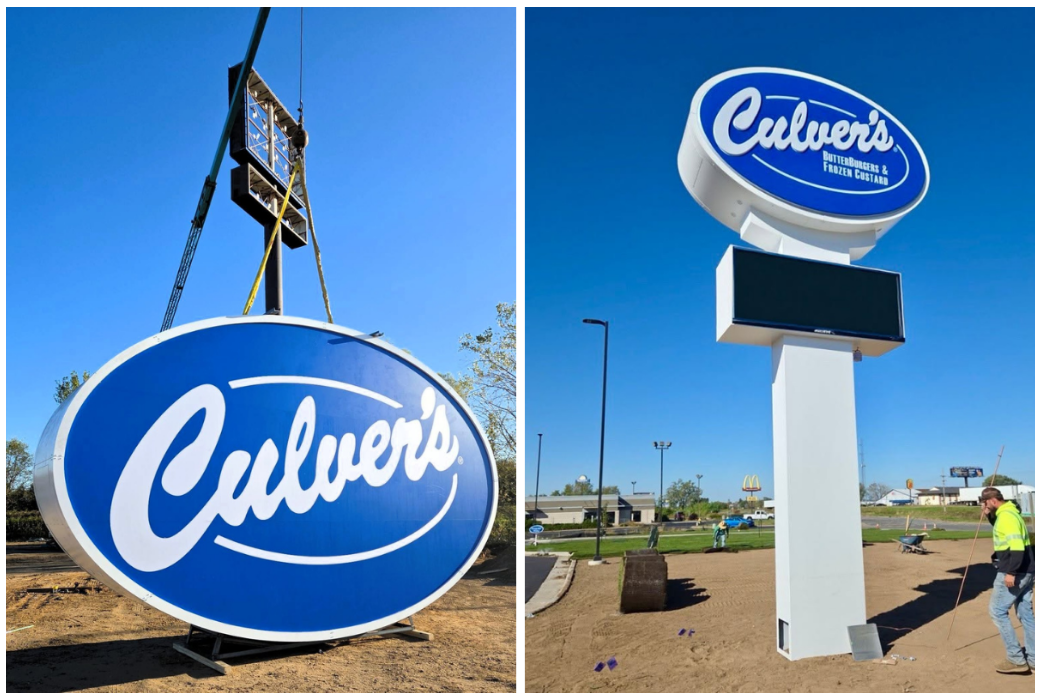
Begin planning as early as possible, especially if the project includes custom fabrication or locations in several municipalities. Starting early provides more time to address permit requirements, site limitations, and scheduling needs.
Not always. The overall design and branding can remain consistent, but the size, mounting method, illumination, or placement may need to change based on the building and local sign requirements.
Whenever possible, assign one primary contact to coordinate approvals, track each location, and communicate changes to everyone involved.
Planning signage for several locations? Contact La Crosse Sign Group to discuss your rollout, installation needs, and project timeline.


We thank you for making a payment on your purchase. Please select the option below that best describes your payment.


