
f you have never purchased a commercial sign before, you may not know where to start or what happens between the first conversation and installation day. Most sign projects move through several stages, including planning, site evaluation, design, permitting, fabrication, and installation. The exact process can vary depending on the type of sign project, but each stage helps make sure the finished sign looks right, works for the location, and meets local requirements.
Understanding the stages ahead of time helps you know what to expect, what decisions you will need to make, and how to keep the project moving. This is especially important if your signage needs to be completed for a new location, remodel, rebrand or opening date.
Every good sign project starts with a conversation.
Before deciding on materials, colors, lighting, or sign type, La Crosse Sign Group looks to understand what the business is trying to accomplish. That includes learning more about the location, brand, budget, visibility needs, and overall goals for the project.
At La Crosse Sign Group, this early stage is called the “Uncovery” process. It gives the team a chance to learn more about the business and what the customer wants the signage to do.
You do not need to have everything figured out before contacting a sign company. Sign consulting can help narrow down your options and determine what will work best for your business and location. Talking through these details upfront gives the project a clear direction before the design process begins.

Once the goals are clear, the design team can start turning the idea into something that can actually be built.
For example, a building sign may look great in a design file, but it still needs to be large enough to read from the road. A monument sign may need to account for traffic direction, landscaping, setbacks, and how drivers approach the property.
La Crosse Sign Group's in-house design team uses what was learned during the planning stage to develop a design that fits both the business and the space.
The location itself often plays a big role in what type of sign will work.
A site survey can help confirm measurements, mounting surfaces, electrical access, existing signage, visibility, and installation access.
These details help La Crosse Sign Group understand what is possible before production begins. Working through them early can help prevent delays, changes, or other surprises later in the project.
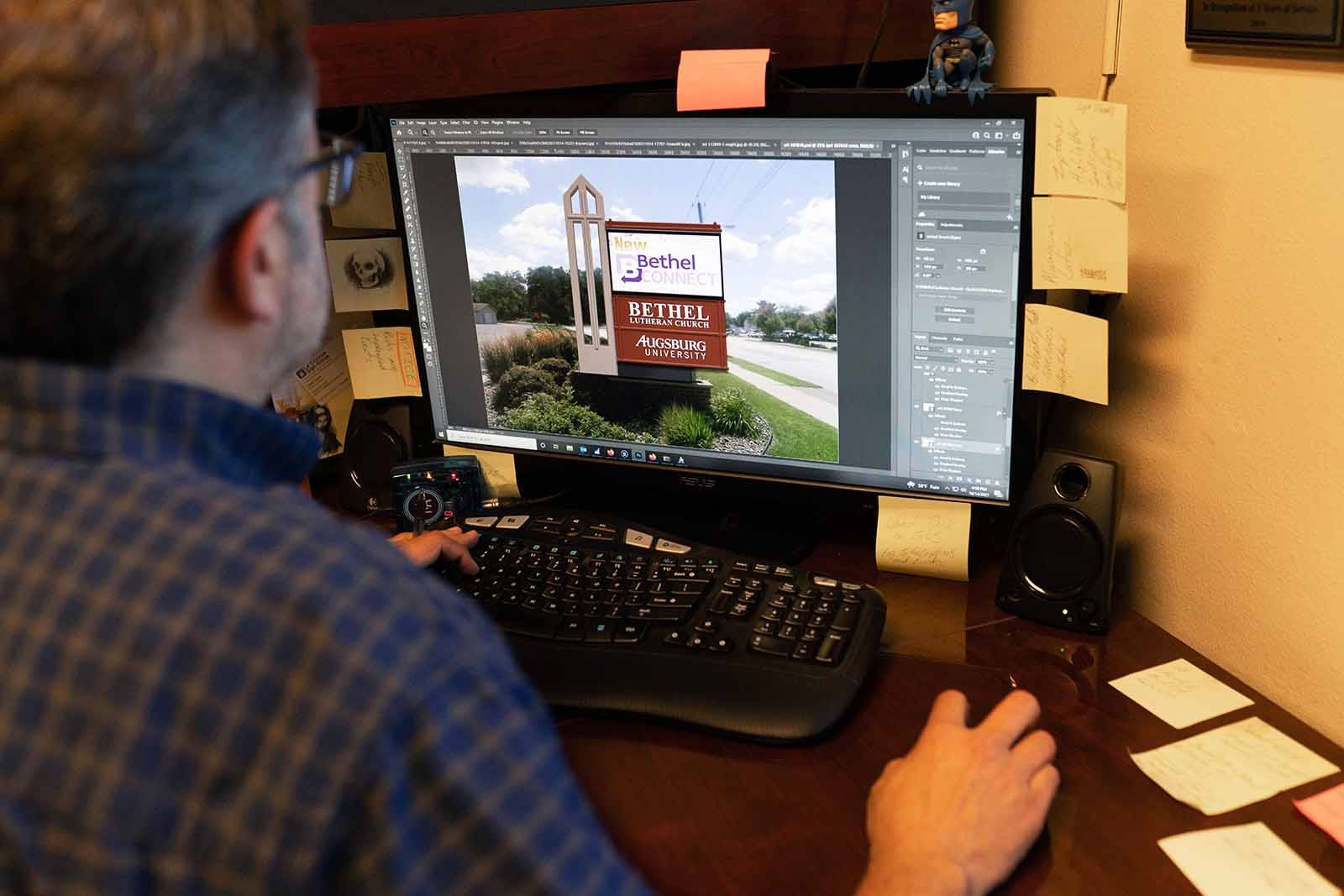
Permitting usually happens once the sign design and proposed location are established.
Many commercial signs have to meet local rules related to size, height, placement, setbacks, lighting, or sign type. Those requirements can vary from one city or municipality to another, which can make permitting one of the more confusing parts of the process for business owners.
La Crosse Sign Group offers permit acquisition services to help customers work through those requirements for their location.
Permits can also affect the overall timeline. If a sign needs to be ready for a grand opening, remodel, rebrand, or relocation, it is important to allow enough time for the permit review process.
Once the design is approved and the necessary requirements are in place, the project can move into fabrication.
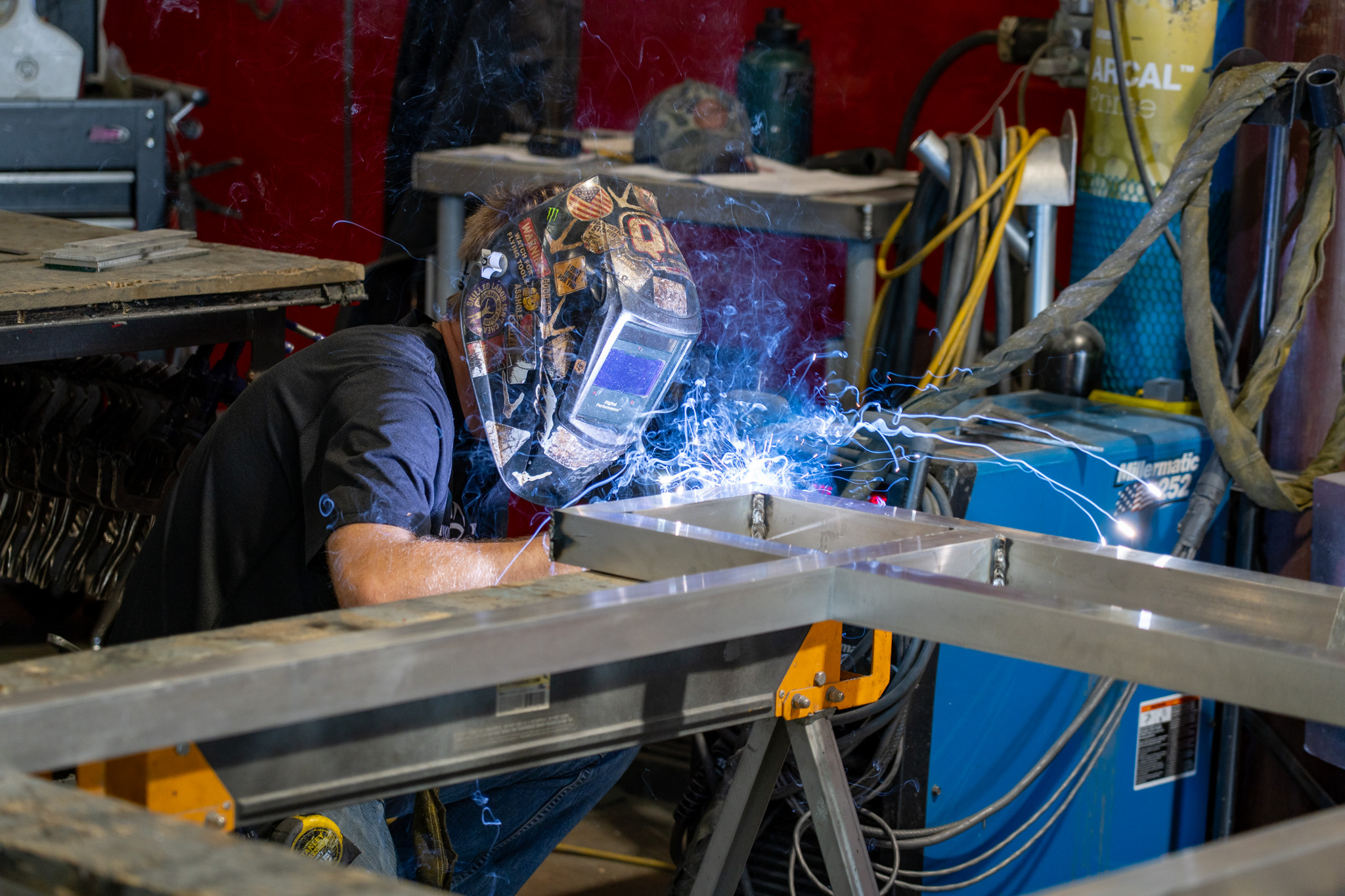
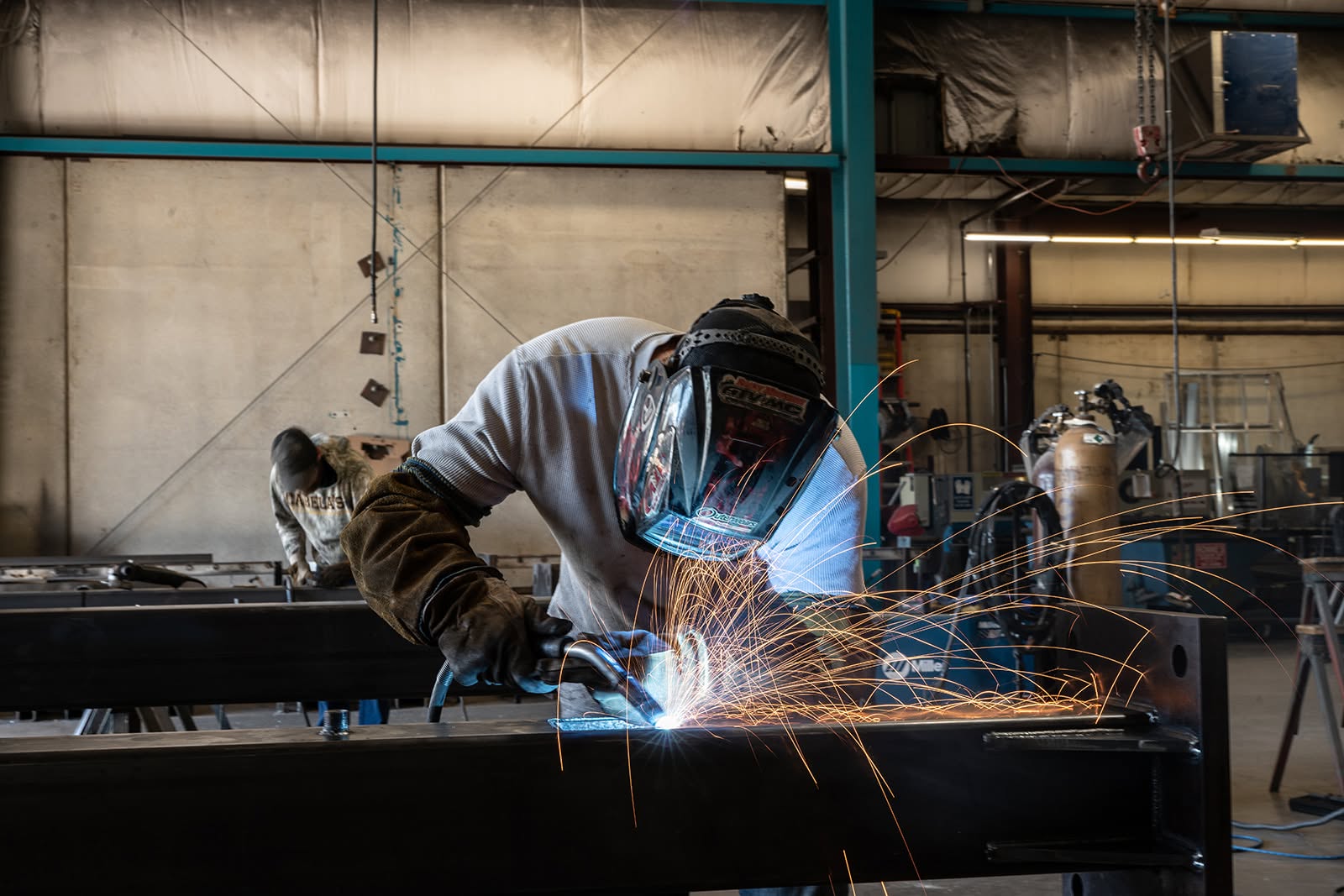
Fabrication is the process of building the physical sign.
The process looks different depending on the type of sign being built. Channel letters, monument signs, dimensional letters, illuminated cabinets, interior signs, and custom architectural signs all require different materials and construction methods.
Durability is also an important part of fabrication. Exterior signs need to withstand weather, sunlight, temperature changes, and everyday exposure. Choosing the right materials helps the sign hold up over time while continuing to represent the business well.
La Crosse Sign Group handles custom sign fabrication in-house as part of its commercial signage services.
Once the sign is ready and the site is prepared, sign installation can begin
The sign team needs to know how the sign will be mounted, what equipment will be needed, whether electrical work is involved, how crews will access the site, and whether any foundations or structural supports are required.
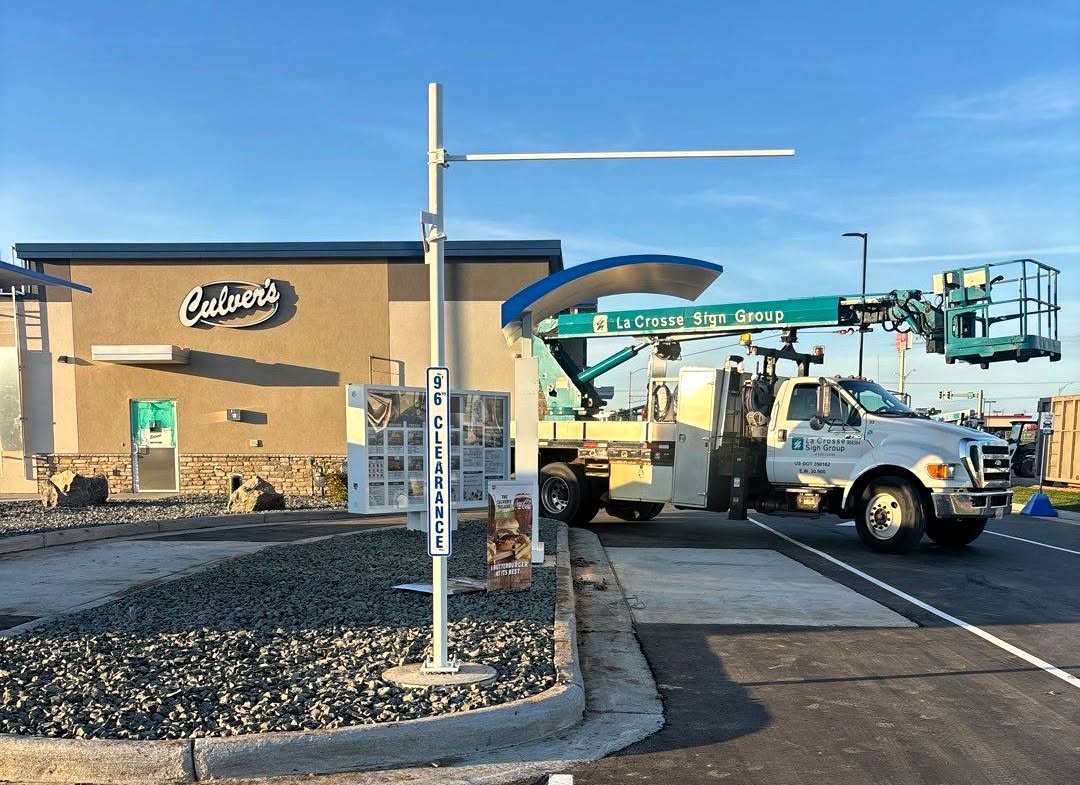
A larger exterior sign may involve boom trucks, excavation, concrete foundations, structural supports, or specialized lifting equipment.
There may also be coordination with contractors, electricians, property managers, municipalities, or other people working on the property.
Taking care of these details ahead of time helps installation day go much more smoothly.
Once the sign is ready and the site is prepared, the installation crew can put everything in place.
The exact installation process will vary based on the type, size, and location of the sign.
There is no single timeline that applies to every commercial sign project.
A simple, non-illuminated sign may move through the process faster than a large monument sign, illuminated building sign, or custom architectural project.
If there is a specific deadline, make sure the sign team knows about it from the beginning.
Most commercial sign projects involve more than one sign.
A business might need a main exterior sign, window graphics, interior lettering, directional signs, or other branded elements throughout the space. Each sign serves a different purpose, but they should still feel consistent with each other and with the business as a whole.
There are also practical details to consider along the way. Some signs may require permits or electrical connections, while others may need different installation equipment or mounting methods.
Looking at all of the signage together from the beginning can help keep the design consistent and make it easier to plan for permitting, fabrication, and installation.
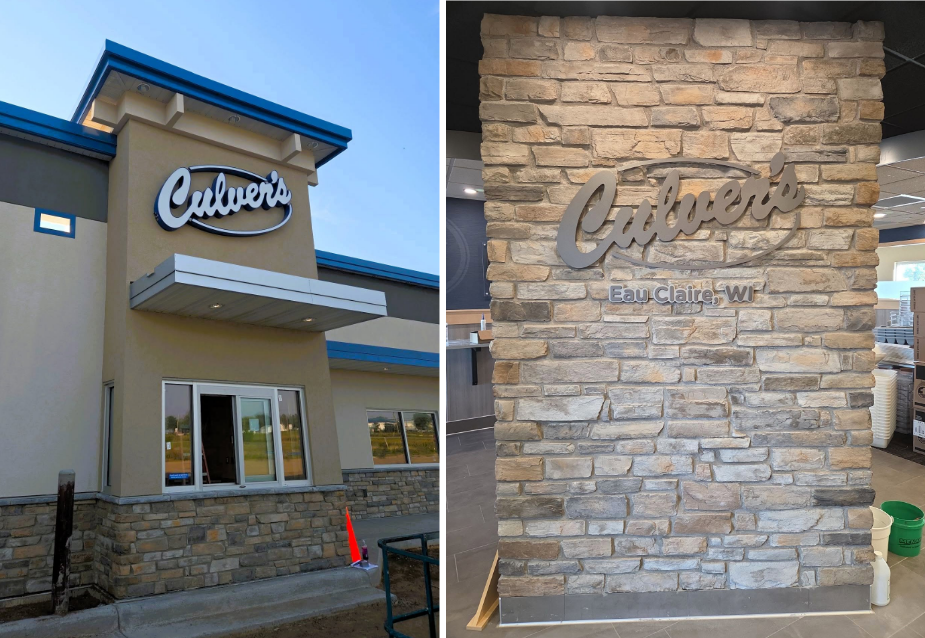
La Crosse Sign Group works with businesses through many different stages of a commercial sign project, including consulting, design, permit acquisition, custom fabrication, installation, and sign maintenance/service.
Some customers may only need help with one part of the process, while others prefer to work with one team from the first conversation through final installation.
Either way, getting the La Crosse Sign Group team involved early can help you understand your options, identify possible challenges, and plan for the steps ahead.
Earlier is usually better, especially if the sign project involves new construction, remodeling, a relocation, or a specific opening date.
Starting early gives the sign company time to evaluate the site, develop the design, work through permitting, fabricate the sign, and schedule installation.
You do not need to have everything figured out before reaching out.
Many exterior commercial signs require some type of local approval, but the requirements depend on the location and type of sign.
Rules can cover things such as size, placement, height, lighting, and sign type.
La Crosse Sign Group can help determine what requirements apply to your project and help guide you through the permitting process.
Yes. La Crosse Sign Group offers design, permit acquisition, custom fabrication, installation, and other related signage services, which allows customers to work with one team through multiple stages of the project.
Commercial signs may need maintenance over time, especially illuminated or exterior signage.
Addressing problems when they come up can help keep the sign looking good and working properly.
A commercial sign project involves much more than choosing a design and putting a sign on a building.
The process usually includes planning, site evaluations, design, permitting, fabrication, and installation. Depending on the project, there may also be electrical work, special installation equipment, or several different signs that need to work together.
You do not need to understand every part of the process before getting started. Getting in contact with La Crosse Sign Group early can help you better understand your options, avoid last-minute surprises, and keep the project moving toward the finished result.
Planning new signage, a remodel, or a rebrand? Contact La Crosse Sign Group to talk through your project and learn what the next steps may look like.


We thank you for making a payment on your purchase. Please select the option below that best describes your payment.


